
21 Oct 2026
Ladakh Travel Guide: Best Time to Visit, Places to See & Trip Tips
Ladakh: The Complete Travel Guide
Rising above the northern edge of India, Ladakh is a land of extremes: towering snow-capped peaks, high-altitude deserts, electric-blue lakes and monasteries that seem to grow out of the rock. Often called “the land of high passes,” it’s a bucket-list destination for road trippers, bikers, trekkers and anyone who wants landscapes that don’t look like anywhere else on earth.
Whether you’re planning a summer road trip or a quiet winter escape, this guide covers everything you need to know about Ladakh: where to go, when to visit, how to get there and how to prepare.
Why Visit Ladakh?
- Otherworldly landscapes of barren mountains, sand dunes and glacial valleys
- Pangong Tso and other high-altitude lakes that change colour through the day
- Centuries-old Buddhist monasteries set on cliffs and hilltops
- Some of the world’s highest motorable passes
- Adventure for every level, from river rafting and trekking to motorbiking
- Warm Ladakhi hospitality and a rich Tibetan Buddhist culture
Best Time to Visit Ladakh
Summer (May to September): The most popular season. Roads are open, days are sunny and every major sight is accessible. Ideal for first-timers, road trips and biking.
Autumn (late September to October): Fewer crowds, crisp air and golden light. Nights get cold fast, and high passes can see early snow.
Winter (December to February): Ladakh turns into a frozen wonderland. Temperatures plunge far below zero, but this is the season for the Chadar Trek on the frozen Zanskar River, snow leopard tracking and quiet, crowd-free monasteries. Many routes and passes close, so a well-planned itinerary matters.
Spring (March to April): The valley slowly thaws. Some roads and lakes remain affected by snow, so check conditions before booking.
Top Places to Visit in Ladakh
1. Leh
The heart of Ladakh and the base for most trips. Explore Leh Palace, Shanti Stupa, the main bazaar and its cafés while you acclimatise.
2. Pangong Tso
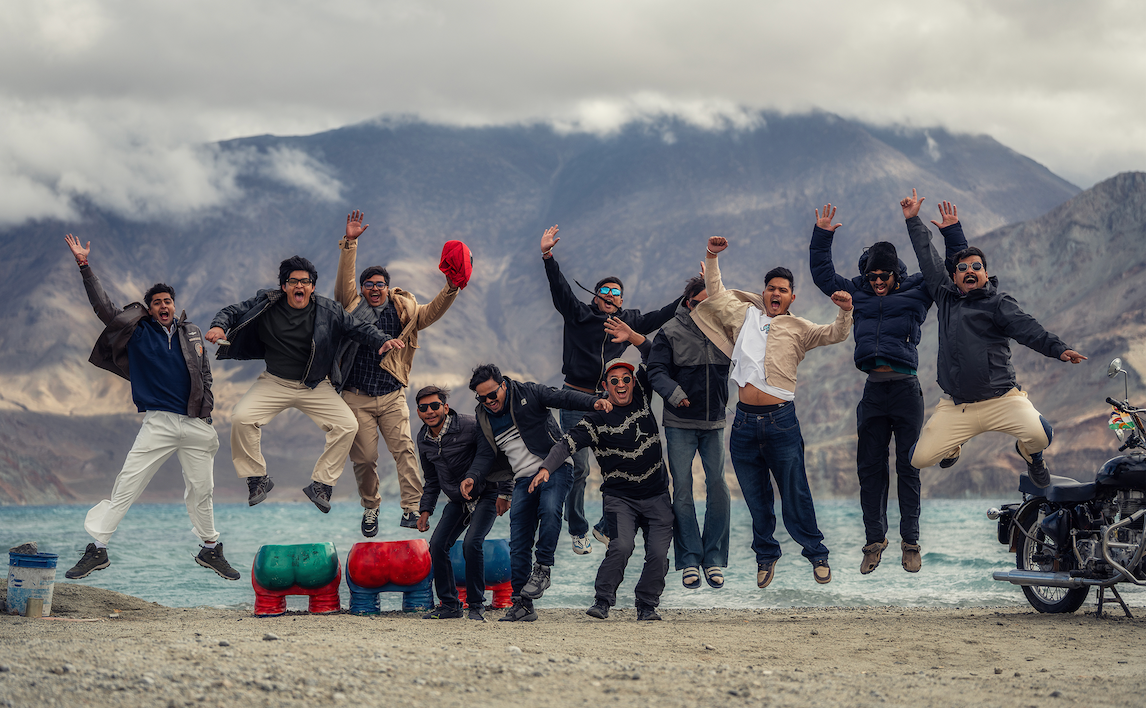
A vast, high-altitude lake that shifts between shades of blue, green and grey. Camping beside it under the stars is a highlight for many travellers.
3. Nubra Valley
Reached via the Khardung La pass, Nubra is known for its sand dunes, double-humped Bactrian camels and the Diskit Monastery with its giant Maitreya Buddha.
4. Tso Moriri and Tso Kar
Quieter, more remote lakes in the Changthang region, popular with wildlife lovers and travellers who want to avoid the crowds.
5. Hemis Monastery
One of Ladakh’s largest and wealthiest monasteries, famous for its annual festival and rich collection of Buddhist art.
6. Thiksey and Alchi
Thiksey Monastery resembles a mini Potala Palace, while Alchi is known for its ancient murals.
7. Lamayuru and the Moonland
A surreal landscape of eroded hills that looks like the surface of another planet, topped by a historic monastery.
8. Magnetic Hill and Sangam
Magnetic Hill is a popular quirky stop, while Sangam is where the Indus and Zanskar rivers meet in a striking two-tone confluence.
9. Turtuk
A remote village near the border with a distinct Balti culture, apricot orchards and a very different feel from the rest of Ladakh.
10. Hanle
Home to one of the world’s highest observatories and a designated dark sky area. Hanle offers some of the best stargazing in India.
How to Reach Ladakh
- By air: The easiest way. Kushok Bakula Rimpochee Airport in Leh has direct flights from Delhi and several other major cities, with scenic mountain views on the way in.
- By road from Manali (Manali–Leh Highway): A legendary road trip over high passes, typically open from around late May or June to October. Plan an overnight stop to ease acclimatisation.
- By road from Srinagar (Srinagar–Leh Highway): Passes through Kargil and Zoji La. It usually opens earlier in the season and is often a good option for a scenic, gradual climb.
Always check current road and weather conditions before you travel, as landslides and snowfall can cause sudden closures.
Permits for Ladakh
Many areas beyond Leh, such as Nubra Valley, Pangong Tso, Tso Moriri and Hanle, are near sensitive border regions and have their own entry rules. Indian visitors are generally asked to pay an environment fee and carry a valid photo ID, while foreign nationals need a Protected Area Permit. Requirements and fees have changed several times in recent years, so confirm current rules on the official Leh administration portal or with your tour operator before you go.
What to Pack for Ladakh
- Layered clothing, thermals and a good down jacket, as even summer nights are cold
- Sunscreen, sunglasses, a hat and lip balm, since UV is very strong at altitude
- Sturdy shoes or boots with good grip
- Personal medication, including altitude medicine if your doctor recommends it
- Power bank and a reusable water bottle
- Cash for remote areas, where ATMs and network coverage are limited
Altitude Tips for Ladakh
Leh sits at around 3,500 metres, and many top sights go much higher. Altitude sickness can affect anyone, regardless of fitness. Rest fully for the first 24 to 48 hours in Leh, drink plenty of water, avoid alcohol and heavy exercise early on, and ascend gradually. If you develop a severe headache, vomiting, breathlessness or confusion, descend and get medical help immediately.
Sample 7-Day Ladakh Itinerary
- Day 1: Arrive in Leh and rest to acclimatise
- Day 2: Local sightseeing: Leh Palace, Shanti Stupa, market
- Day 3: Hemis, Thiksey and Shey monasteries
- Day 4: Leh to Nubra Valley via Khardung La
- Day 5: Nubra to Pangong Tso
- Day 6: Pangong to Leh
- Day 7: Departure
Experience Ladakh with Us
Planning Ladakh yourself means juggling permits, road conditions, acclimatisation and bookings. A well-designed itinerary takes care of the details so you can focus on the mountains.