
21 Oct 2026
Spiti Valley: The Complete Travel Guide (Best Time, Places to Visit & Winter Magic)
Spiti Valley: The Complete Travel Guide
Tucked away in the northern reaches of Himachal Pradesh, Spiti Valley is one of India’s most dramatic landscapes. Its name means “the middle land” because it sits between India and Tibet. Think barren mountains in shades of gold and grey, turquoise rivers, whitewashed monasteries clinging to cliffs, and villages perched above 4,000 metres.
Whether you’re planning a summer road trip or a snowbound winter escape, this guide covers everything you need to know about Spiti Valley: where to go, when to visit, how to get there and what to expect.
Why Visit Spiti Valley?
Spiti is a high-altitude cold desert, and it feels like another planet. Here’s what draws travellers year after year:
- Ancient Buddhist monasteries that are centuries old
- Some of the highest villages in the world connected by road
- Crystal-clear night skies ideal for stargazing and astrophotography
- Rare wildlife, including the elusive snow leopard
- Raw, uncrowded landscapes compared to most Himalayan destinations
Best Time to Visit Spiti Valley
Summer (May to October): The most popular season. Roads are open, the weather is pleasant by day and all major sights are accessible. This is the best time for first-time visitors and road trippers.
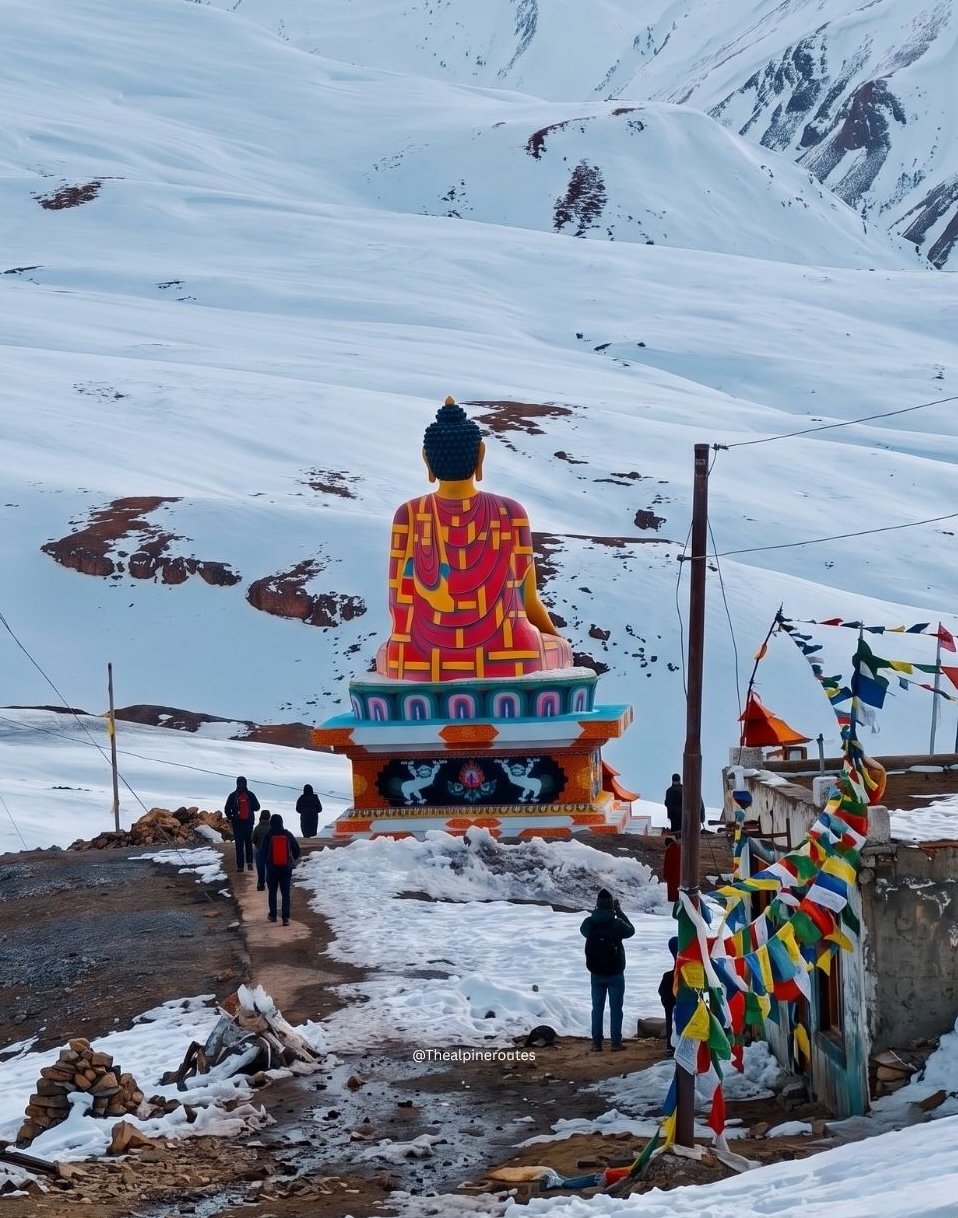
Winter (December to March): Spiti becomes a silent white wonderland. Temperatures drop well below freezing, rivers freeze and villages are blanketed in snow. It’s tougher, but far quieter and more rewarding for adventurous travellers. Winter is also the best season for snow leopard spotting.
Monsoon (July to September): While most of India gets rain, Spiti stays relatively dry. The main risk is landslides on the access roads, so check road conditions before you travel.
Top Places to Visit in Spiti Valley
1. Kaza
The administrative capital and the main base for exploring the valley. You’ll find homestays, cafés, markets and the starting point for most day trips.
2. Key Monastery (Kee Gompa)
Perched at over 4,000 metres, this is the largest monastery in Spiti Valley and a striking sight, especially against fresh snow. It’s home to hundreds of lamas and centuries of Tibetan Buddhist tradition.
3. Kibber
One of the highest inhabited villages in the region and a well-known base for snow leopard tracking in winter.
4. Langza
Famous for its giant Buddha statue overlooking the village and its fossil-rich surroundings, which are remnants of an ancient sea.
5. Hikkim
Home to one of the world’s highest post offices. Send a postcard home from here for a quirky travel souvenir.
6. Komic
Often described as one of the highest villages in the world connected by a motorable road, with sweeping views in every direction.
7. Dhankar and Tabo
Dhankar Monastery sits dramatically on a cliff edge, while Tabo Monastery is over a thousand years old and known for its ancient murals.
8. Chandratal Lake
A stunning crescent-shaped lake that is accessible only in the warmer months, making it a highlight for summer visitors.
How to Reach Spiti Valley
There are two main routes:
- From Shimla via Kinnaur: Usually the more reliable option, and often the only one in winter.
- From Manali via Kunzum Pass: Spectacular but open only in the warmer months, typically from around June to October.
The nearest railway stations are Shimla and Chandigarh, and the nearest airports are Shimla and Kullu (Bhuntar). Always check current road conditions before you set off, as weather can change quickly.
What to Pack for Spiti Valley
- Layered warm clothing, thermals and a quality down jacket (essential in winter)
- Sunscreen, sunglasses and lip balm, because UV is intense at altitude
- Any personal medication, including altitude medicine if your doctor recommends it
- Power bank and extra batteries, since cold drains them fast
- Sturdy, waterproof boots
Altitude Tips
Most of Spiti Valley sits between 3,500 and 4,500 metres, so altitude sickness is a real consideration. Take it slow, drink plenty of water, avoid alcohol on arrival and give your body a day or two to acclimatise before any strenuous activity. If symptoms get serious, descend and seek medical help.
Experience Spiti Valley in Winter
Most travellers see Spiti in summer, but the valley in winter is a completely different experience: frozen waterfalls, snow-covered monasteries, warm homestay evenings by the fire and a good chance of spotting a snow leopard with local trackers.
If you want to see the side of Spiti most people never do, check out our Winter Spiti Escape, a carefully planned itinerary built for travellers who want the real Himalayas without the crowds.